 Review Us
  Review Us
Why Choose a Mouthguard?
Category : Gentalcare
Protecting Your Teeth Starts With Prevention
Many people are unaware of the impact that daily stress, nighttime grinding, or physical activity can have on their teeth. Over time, these habits can lead to chipped teeth, jaw pain, headaches, and costly dental repairs. One simple solution can make a big difference: a dental mouthguard.
What Is a Dental Mouthguard?
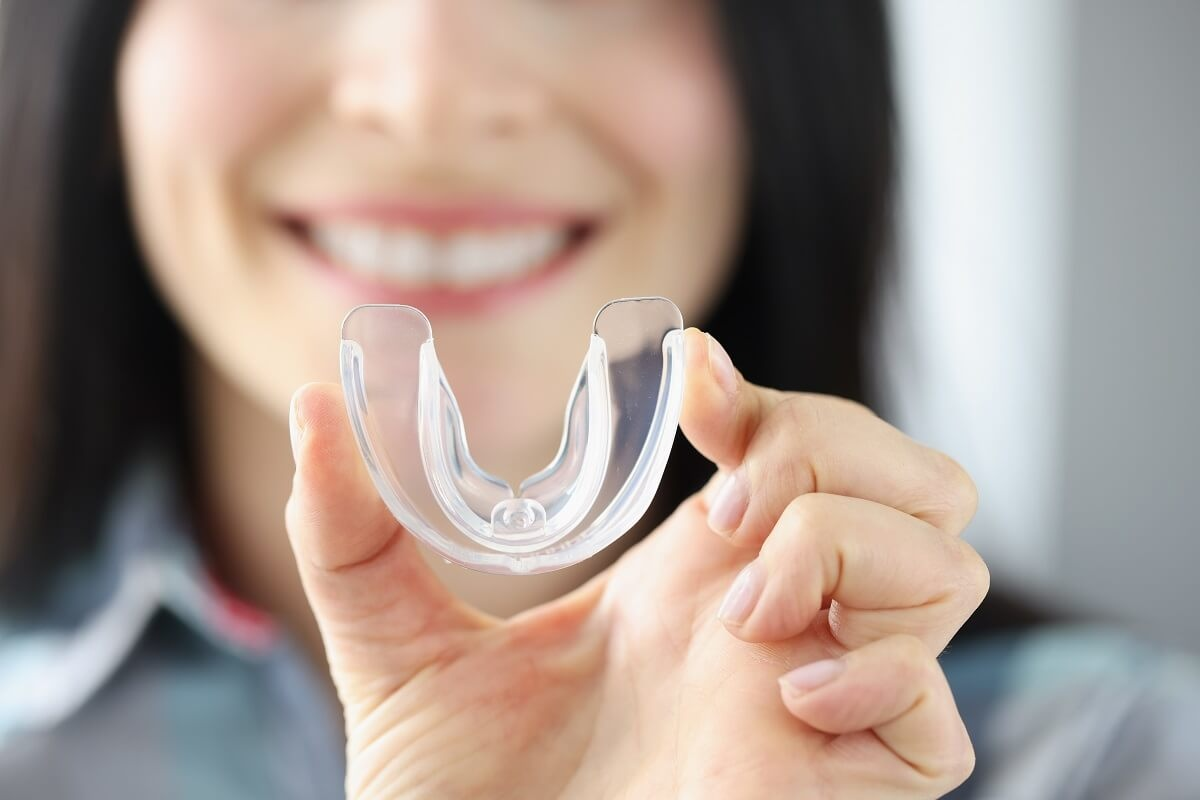
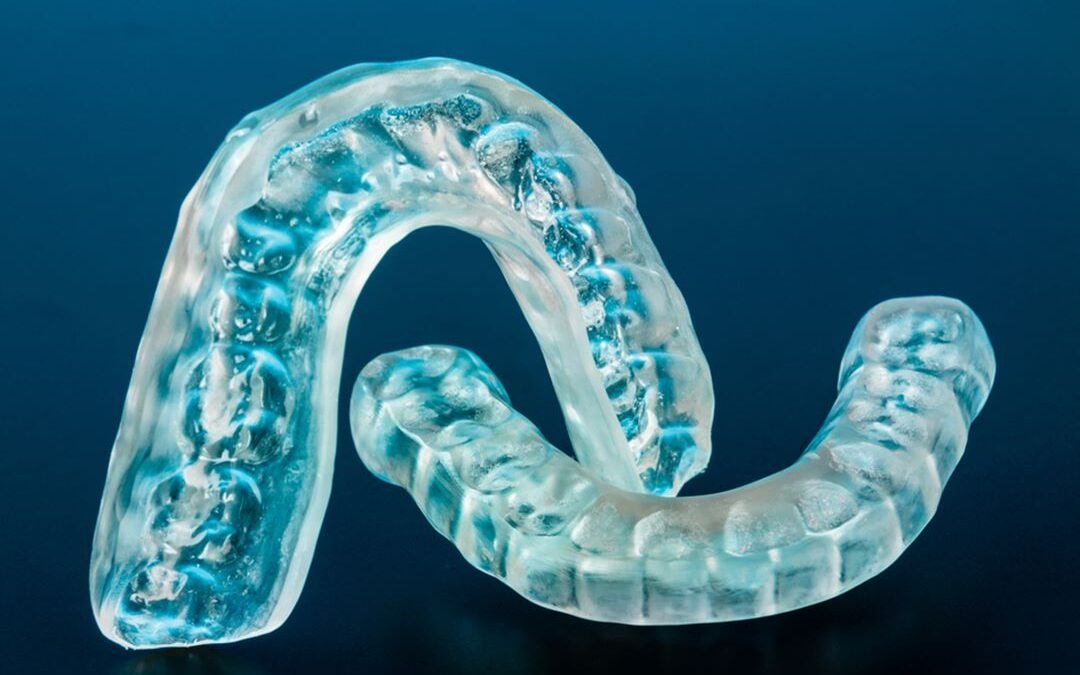
A mouthguard is a custom-fitted dental appliance designed to protect your teeth and jaw from damage. Dentists commonly recommend mouthguards for patients who grind their teeth at night or participate in sports and physical activities. Unlike store-bought options, professionally made mouthguards are designed to fit comfortably and provide adequate protection without interfering with breathing or sleep.
Who Should Consider a Mouthguard?
A mouthguard may be right for you if you:
- Grind or clench your teeth (bruxism)
- Wake up with jaw soreness or headaches
- Have worn, cracked, or sensitive teeth
- Play contact or high-impact sports
- Have been diagnosed with TMJ or jaw tension
- Want to protect dental work like crowns or veneers
Many patients grind their teeth at night without realizing it until damage has already started.
Benefits of Wearing a Mouthguard
Choosing a mouthguard can help:
- Protect teeth from chips, cracks, and wear
- Reduce jaw pain and muscle tension
- Prevent headaches caused by nighttime clenching
- Lower the risk of tooth fractures
- Protect dental restorations
- Improve sleep quality for some patients
Over time, a mouthguard can help prevent expensive dental treatments by stopping damage before it begins.

Night Guards vs. Sports Mouthguards
Night Guards
- Worn during sleep
- Designed to prevent grinding and clenching
- Help reduce jaw strain and enamel wear
Sports Mouthguards
- Worn during physical activity
- Protect teeth from impact injuries
- Reduce the risk of broken teeth or jaw injuries
Your dentist can recommend the right type based on your lifestyle and dental health.
Why Choose a Custom Mouthguard?
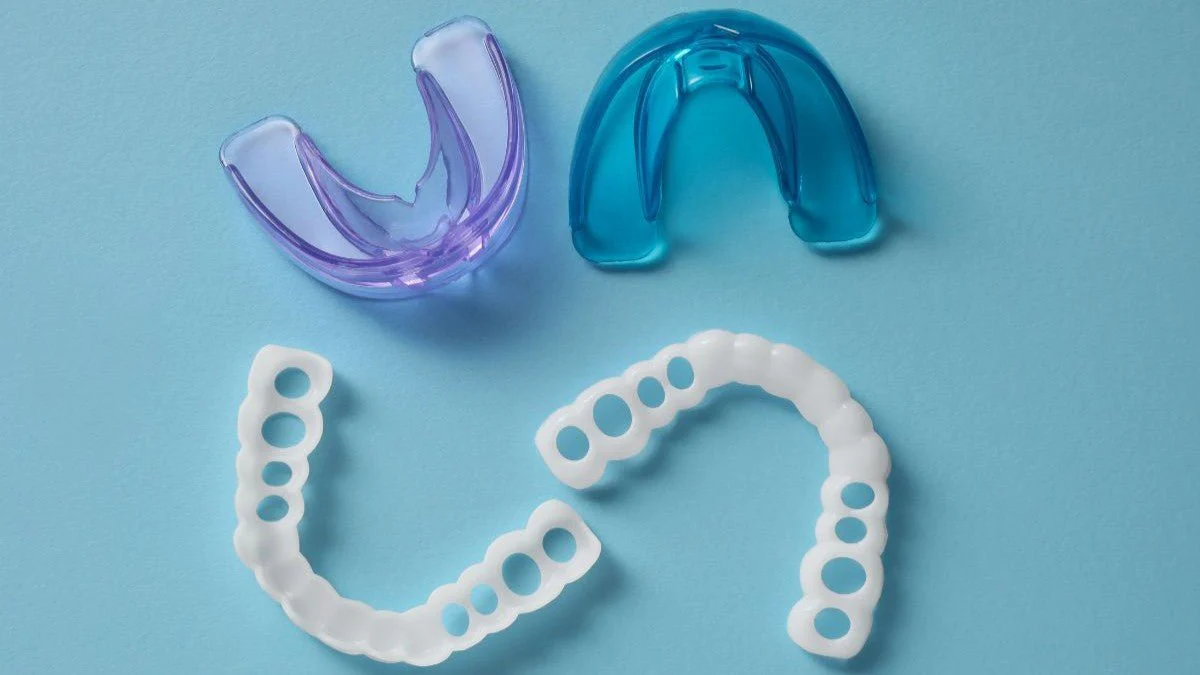
While store-bought mouthguards are widely available, they often:
- Fit poorly
- Feel bulky or uncomfortable
- Wear down quickly
- Provide uneven protection
Custom mouthguards offer:
- A precise, comfortable fit
- Better durability
- Improved protection
- Easier breathing and speaking
Because they’re made specifically for your mouth, patients are far more likely to wear them consistently.
A mouthguard is a simple but powerful tool for protecting your teeth and jaw. Whether you grind your teeth at night or want to protect your smile during sports, choosing the right mouthguard can help preserve your smile and prevent long-term dental problems.
If you’ve noticed jaw pain, tooth wear, or frequent headaches, or if you want to protect your teeth before damage starts, talk to your dental provider about whether a mouthguard is right for you.