
 Review Us
  Review Us
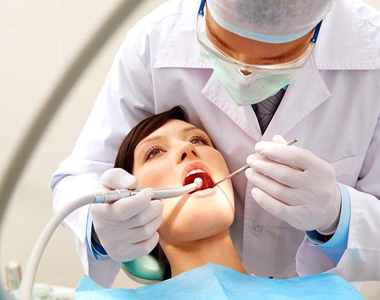
Unraveling an Assortment of Dental Therapies and Procedures: Forging Your Path to a Self-Assured Grin
Category : Gentalcare
Introduction
A trip to the dentist encompasses more than mere routine check-ups and cleanings. Dental establishments offer an extensive range of treatments and procedures to tackle varied oral health concerns, propelling you toward the smile you covet. Be it an aesthetic metamorphosis or restorative endeavors, acquainting yourself with the myriad dental treatments available empowers you to judiciously decide on matters concerning your oral well-being. In this blog post, we shall delve into the commonplace dental treatments and procedures proffered by dental practices across the United States.
1. Teeth Illumination: An Effulgent Grin
Teeth illumination serves as a favored cosmetic dental procedure that amplifies the luster and brilliance of your teeth. Dental practices extend both in-office and at-home illumination options, catering to individual predilections. In-office teeth illumination treatments predominantly entail the application of a bleaching agent to the teeth, subsequently followed by the deployment of a special light or laser to activate the Teeth whitening process. At-home treatments encompass custom-made trays infused with a whitening gel, which you wear for a stipulated duration. Teeth illumination effectively expunges stains and discoloration induced by the passage of time, certain edibles and beverages, and lifestyle habits such as smoking.
2. Dental Veneers: A Metamorphic Grin
Dental veneers embody slim, tailor-made shells that bond to the frontal surface of your teeth, thereby enhancing their visage. Veneers tackle assorted cosmetic concerns, encompassing discoloration, chipped or fractured teeth, gaps, and minor misalignments. Primarily crafted from porcelain or composite resin, veneers furnish a lifelike, durable solution for attaining a flawlessly picturesque smile. Before the veneer’s adhesion, some tooth preparation becomes imperative, and the course of action typically entails multiple visits to the dentist.
3. Dental Implants: A Renewed Dentition
Dental implants offer an exemplary recourse for the replacement of missing teeth, restoring both functionality and aesthetics. Implants consist of titanium posts surgically embedded into the jawbone, emulating artificial tooth roots. These posts furnish a steadfast foundation for attaching dental crowns or bridges, effectively replenishing the lacuna left by the missing teeth. Dental implants impart a long-lasting, natural-looking resolution that heightens your capacity to masticate, articulate, and beam with self-assurance. The process usually entails multiple stages, encompassing implantation, a period of convalescence, and subsequent crown or bridge attachment.
4. Dental Fillings: Rectifying Cavities
Dental fillings constitute a prevalent restorative treatment deployed to remedy teeth affected by cavities or minor impairment. The procedure entails the eradication of decayed or damaged portions of the tooth, replaced by a sturdy material like composite resin, amalgam, or porcelain. Dental fillings rehabilitate tooth functionality, stave off further decay, and bestow a natural countenance. Your dentist will proffer the most appropriate filling material predicated on the location and scope of the cavity.
5. Root Canal Therapy: Safeguarding Afflicted Teeth
Root canal therapy, also identified as endodontic treatment, is executed to salvage severely infected or injured teeth from impending extraction. The procedure involves the extraction of infected pulp from the tooth’s root canals, cleansing and sterilizing the region and subsequently sealing it with a filling material. Root canal therapy alleviates discomfort, exterminates infection, and conserves the inherent tooth structure. Contrary to the prevailing belief, modern techniques and anesthesia render root canal therapy relatively painless and efficient.
Conclusion
A trip to the dentist goes beyond regular check-ups and cleanings, as dental establishments provide a comprehensive array of treatments and procedures to enhance your oral health and appearance. From teeth illumination and dental veneers for a radiant smile to dental implants and root canal therapy for restoring damaged teeth, modern dentistry offers versatile solutions to meet individual needs. Additionally, orthodontic treatments like traditional braces and Invisalign® aligners address misalignments and contribute to improved dental arch alignment. By exploring and understanding these dental treatments, you can make informed decisions about your oral well-being and confidently achieve the smile you desire.
FAQs (Frequently Asked Questions)
- Are teeth illumination treatments safe? Teeth illumination treatments conducted by professional dentists are generally safe and well-tolerated. However, some individuals may experience temporary tooth sensitivity, which usually subsides after the treatment.
- How long do dental veneers last? With proper care and maintenance, dental veneers can last anywhere from 10 to 15 years or even longer. Regular dental check-ups and good oral hygiene are essential for prolonging their lifespan.
- Is dental implant surgery painful? During the dental implant procedure, local anesthesia is administered, ensuring that you experience minimal discomfort or pain. After the surgery, mild soreness may occur, which can be managed with pain medication.
- Can dental fillings be noticeable? Modern dental fillings made from composite resin or porcelain can be matched to the color of your natural teeth, making them virtually indistinguishable.
- Is orthodontic treatment suitable for adults? Yes, orthodontic treatment is suitable for adults as well as children. In fact, more adults are opting for orthodontic solutions like Invisalign® to discreetly improve their smiles.