
2430 Enterprise Dr, Fremont, Ohio, 43420

Monthly Archives: November 2025

  • -
Wisdom Teeth extraction signs

What Are the Signs Your Wisdom Teeth Need to Come Out?

Category : Gentalcare
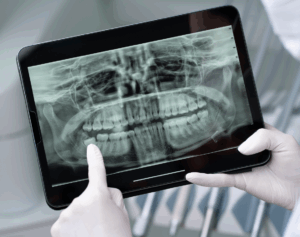
Dental X-Ray

What are Wisdom Teeth and do you need them removed?

If you experience gaps closing between your teeth, pain, swelling or pressure in your jaw, pressure between or around your back teeth, looseness in your teeth, pain in your sinus cavity, and even radiating into your ear, it may be time to visit a dentist. The third set of molars, known as wisdom teeth, emerges during late teenage years and early twenties. Their novel name is deceiving though as they tend to create more problems than benefits for numerous people. When your wisdom teeth come in, they often begin to press on your surrounding teeth, pushing them closer together and causing those unpleasant symptoms above. According to the ADA, 60% of wisdom teeth will need to be extracted to prevent symptoms and damage to the surrounding teeth and gums.

Common Signs You May Need Wisdom Teeth Removal
  • Persistent pain or pressure the back of your mouth or jaw
  • Swollen, red, or bleeding gums around the molars
  • Headaches, jaw stiffness, or discomfort when chewing
  • Crowding or shifting teeth, especially if you’ve had braces
  • Recurring infections or difficulty opening your mouth fully

The presence of impacted wisdom teeth becomes evident through these symptoms because they grow at unusual angles or stay hidden under gum tissue.

The Process

When you are searching for a dentist, it is wise to ensure that the practice you choose:

  • Offers the services that you think you need (like wisdom tooth extraction)
  • Is in network with your dental insurance (or will submit dental claims on your behalf)
  • Offers sedation options
  • Doesn’t have a long waitlist for the procedure you think you need (Many dental offices are booked out months in advance for procedures like wisdom tooth extractions)

Once you determine these things, the Dental Practice will schedule an appointment for you, typically an Emergency Exam. This exam ranges in price so be sure to ask about that when you call. The Emergency Exam involves an exam and a series of X-Ray’s, specifically looking at the area you are concerned with. From these images, they will be able to determine if your wisdom teeth need to be extracted, how soon, and what kind of extraction process you will need. If the wisdom teeth are impacted or a more advanced type of extraction is needed, the office may refer you to an Oral Surgeon.

Sedation Options

The dentist and their team will also go over your different sedation options, which can vary. Many dental practices offer inhaled Nitrous Gas as a sedation option, but some specialty offices will offer oral sedation, or IV sedation as well. Ask questions and consider the level of comfort you wish to have, what options are covered by your insurance, and what the associated costs are. It’s important to ask these questions if you want a sedation option during the surgical procedure.

How many need removed?

Another thing to consider, is how many wisdom teeth you plan to have extracted. Typically they don’t all begin to hurt at the same time. They can come in individually, or all together. It is recommended to remove both upper, both lower, or all 4 at the same time typically, to prevent further pain and damage to the surrounding teeth. Keep in mind, the process of preventive removal produces better results than waiting for more complications to develop.

What Happens If You Don’t Remove Them?

The failure to remove problematic wisdom teeth results in multiple dental and health complications which include

  • Damage to nearby teeth or roots
  • Cyst formation around impacted teeth
  • Infections that spread to other areas of the mouth or jaw
  • Increased risk of tooth decay and gum disease
How Long Does Wisdom Teeth Surgery Take?

Typically, wisdom teeth removal takes between 30 minutes and 1 hour per tooth. In some cases, it may take longer if the teeth are impacted or difficult to access. The recovery period for most patients lasts between 3 to 7 days before they can resume their normal activities.

Dental Surgery

What to Eat After Wisdom Teeth Removal

Your healing gums need soft foods which avoid causing any discomfort. The following list includes safe and satisfying food options for your recovery:

  • Mashed potatoes, scrambled eggs, mac and cheese
  • Applesauce, yogurt, pudding, and Jell-O
  • Smoothies with no seeds! Milkshakes and protein drinks
  • Oatmeal, cream of wheat, or soft rice
  • Broths, pureed soups, soft tofu, and cottage cheese
  • Avocado, ripe bananas, and well-cooked pasta

Dental Meal

What Is Dry Socket and How to Prevent It?

The extraction site develops dry socket when the blood clot dislodges from its position. The condition leads to painful symptoms, infection, vomiting, and bleeding which can be avoided through proper care. It is imperative that you avoid smoking, drinking through a straw, and all foods that are hard to chew, crunchy, or spicy for at least seven days so that you do not get dry sockets.

  • Do not smoker
  • Do not use straws
  • Do not spit forcefully
  • Stick to your post-op instructions carefully
  • Rinse gently with salt water starting 24 hours after surgery

You should contact your dentist immediately when you experience any unusually symptoms, including severe pain, bleeding, fever, nausea, vomiting, or unusual and unpleasant mouth odors as these could be symptoms of infection or dry sockets.

FAQ
How can I stop wisdom tooth pain at home?

Try rinsing with salt water, applying a cold compress, or taking OTC pain relievers like ibuprofen. If pain persists, you’ll need a dental exam.

Which symptoms indicate that a wisdom tooth has become infected?

The following symptoms indicate an infected wisdom tooth: Swelling, pain, bad taste, pus, fever and limited mouth opening. You should visit a dentist immediately when you notice these symptoms.

Can wisdom teeth cause jaw stiffness or soreness?

Yes! impacted teeth often cause tightness or aches in the jaw, especially when chewing or waking up.

What are the risks of not removing impacted wisdom teeth?

Delaying removal can lead to infections, damage to nearby teeth, cysts, and long-term jaw issues which aren’t fun.

  • -
Invisalign

Why So Many People Are Picking Invisalign Over Braces?

Category : Gentalcare

Clear, comfortable, and no metal in your mouth.

What Is Invisalign?

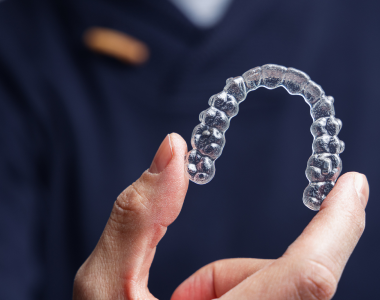
Invisalign uses clear, removable aligners to straighten your teeth, no brackets or wires.

  • You can eat anything (just take the aligners out).
  • Most people won’t even notice you’re wearing them.
  • You’ll see a preview of your new smile before starting.
No Messy Impressions

We scan your teeth digitally, no goo, no trays.

  • Quick and clean digital scans
  • See your future smile on screen
  • A more accurate fit with less discomfort
Why It Works So Well

Invisalign does more than improve your smile, it helps your health too.

  • Straight teeth are easier to clean
  • Fewer cavities and less gum trouble
  • Works great for adults and teens
It’s More Affordable Than You Think

We have options that fit almost any budget.

  • Get started for as low as $99/month
  • Easy in-house financing using qualified third-party vendors
  • Plans built around you, and your lifestyle
FAQ
How long does Invisalign treatment take?

Most patients finish in 6–18 months, depending on how much movement your teeth need.

Does Invisalign hurt?

You might feel a little pressure when switching to a new set of aligners, but most people say it’s way more comfortable than sharp metal brackets.

Can I eat with my aligners in?

No, nothing but plain water while the aligners are in. Even flavored water, sports drinks, soda, tea, or coffee can discolor or damage the aligners and your enamel. Whatever you drink can get trapped between the aligner and your teeth. Just remove aligners to eat or drink anything besides water, then put them back in after brushing!

Do I have to wear them all day? Even at night?

Yes, for best results, wear them 22 hours a day—only removing them to eat or brush. They’re comfortable enough to sleep in!

Will people notice I’m wearing Invisalign?

Most won’t. The aligners are clear and custom-fit, so they’re hard to see unless someone is looking closely.


  • -
Dental Implant Process

What to Expect from a Dental Implant

Category : Gentalcare

The implant process happens in phases and may take several weeks to months depending on your needs. Here’s a clear, step-by-step breakdown of what to expect with an implant-focused restoration.

Overall Timeline: 3 to 9 Months

The full implant process typically takes 3 to 9 months, depending on your bone health, healing speed, and whether grafting is needed.

  • Healing time after each step is essential for long-term success.
  • Some patients complete treatment faster if no bone graft is required; however, most times your provider will encourage bone grafting for longevity and stable healing.
  • Others may need more time if healing takes longer or additional steps are added.
  • Patients with underlying conditions may take longer to heal. This could include those who smoke, are undergoing cancer treatment, have diabetes, liver disease, or other underlying diseases. Your provider will ask you these questions at your initial consultation.
  • Patients who want longevity from their implants are encouraged to eat a healthy balanced diet, avoid smoking, avoid recreational drugs, and avoid excessive alcohol consumption.
  • You will be provided with a list of vitamins and supplements that we recommend to aid in your healing process.
1. Consultation and Planning
  • Your dentist will review your dental history and create a custom treatment plan, especially if you are considering dental implants for seniors.
  • X-rays, a CBCT, or a 3D panoramic scan will assess bone strength, density, condition, and spacing.
  • You’ll discuss treatment goals, cost, and next steps.
  • If you’re a good candidate, the plan may begin right away.
2. Tooth Removal (If Needed)
  • If a damaged tooth is still in place, it must be removed before an implant is placed.
  • Most extractions heal within 1–2 weeks.
  • In some cases, implants can be placed the same day.
  • Your dentist will advise on the right timing for you.
3. Bone Graft (If Needed)
  • Many dentists will recommend adding bone grafting material to the socket after a tooth is extracted. This helps preserve the socket and surrounding bone.
  • Bone graft is placed to preserve bone density and extend the life of your implants.
  • A bone graft may also be added if your jaw isn’t strong enough to hold the implant.
  • Healing from bone grafting usually takes 3–6 months, depending on healing time.
  • This step ensures your implant has long-term support.
  • Not all patients need this; it depends on bone density.
4. Implant Placement
  • The implant placement procedure starts like most dental procedures. The patient is made comfortable and the area is numbed.
  • These surgical procedures are available with or without sedation. Your sedation options include:
    • Inhaled Sedation (Nitrous Oxide)
    • Oral Sedation (a series of small pills)
    • IV Sedation
  • Once ready, and the patient is fully numbed, the surgery will begin.
  • The implant placement is fairly quick and involves a titanium post that is placed into the jawbone, under the gumline.
  • Most people say the procedure feels like a long filling and is pain-free.
  • A healing cap may be placed to protect the implant, or the implant post may be sutured over for healing.
  • Healing begins immediately after placement as the titanium post fuses with your natural bone.
5. Healing Phase – Osseointegration
  • Your jawbone will fuse with the implant in a process called osseointegration.
  • This typically takes 3–6 months to fully stabilize the implant.
  • You may receive a temporary tooth or overdenture while the site heals.
  • Your dentist will monitor healing progress with routine follow-ups and rechecks.
6. Abutment Placement
  • An abutment is a small connector that sits above the gumline and holds the crown, partial, or denture.
  • This is placed after the implant fully heals and fuses to the bone.
  • Gums may need a couple of weeks to adjust to the abutment and the prosthetic attachment.
  • This is the final connection piece that prepares your mouth for the final restoration prosthetic.
7. Final Crown, Partial, or Denture
  • The final step is placing a custom crown, partial prosthetic, or full prosthetic (denture/over-denture) that looks and feels like your natural teeth.
  • If you are getting a crown, your crown will be matched in color and shape to your other teeth.
  • If you are getting a prosthetic full or partial denture, it can be any color, shape, and size you would like. If you bring in an old photo, we can match your original smile.
  • This final crown or prosthetic restores full function and completes your smile.
  • You’ll leave with a permanent solution that can last decades.
Aftercare & Maintenance
  • Just like natural teeth, dental implants need daily care and regular checkups.
  • Brush and floss every day to keep gums healthy.
  • Use soft tools like water flossers or implant-safe brushes.
  • Visit your dentist every 6 months for cleanings and exams in accordance with your office’s implant warranty.
  • Always follow the complete guidelines of your dental office to ensure that you are properly maintaining your implants for longevity.
FAQ
Is the dental implant procedure painful?

Most patients feel only mild soreness. Most take Tylenol for any discomfort after the procedures. The procedure itself is done with local topical anesthesia and the option of inhaled, oral, and sometimes IV sedation.

Do I need to take off work for the surgery?

You may want to rest for 1–2 days, but recovery is usually quick. Most of our patients report that they went back to work the next day and had only mild soreness. Most patients do not show any physical signs of even having a dental procedure done. There is typically little to no swelling, bruising, or any other visual physical symptoms the next day.

Are dental implants permanent?

With proper care, they can last over 20 years or even a lifetime.


No

Insurance ?